
Blog
How Hot Does My Exhaust Get?
Nov
Understanding Exhaust System Temperatures and Heat Management
motorcycle exhaust: RACEXT exhaust product path
This article is useful for riders researching motorcycle exhaust, sport exhaust, aftermarket exhaust, sound upgrade, performance exhaust and RACEXT exhaust reviews.
No exact product match was found for this article, so this page now sends buyers to the closest RACEXT generic product offer.
Search intent covered: motorcycle exhaust, motorcycle sport exhaust, motorcycle aftermarket exhaust, motorcycle sound upgrade, RACEXT exhaust review, motorcycle performance exhaust.
Shop RACEXT sport exhaust from EUR 147: Motorcycle Sport Exhaust
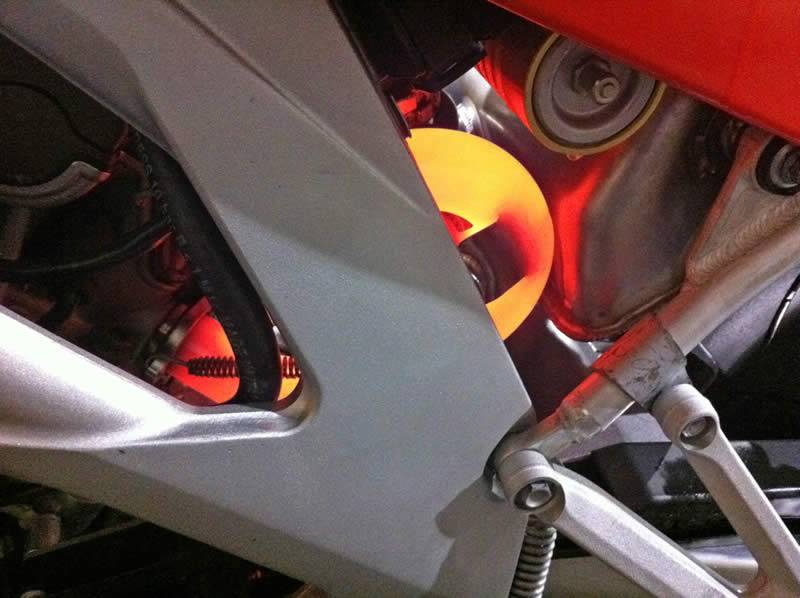
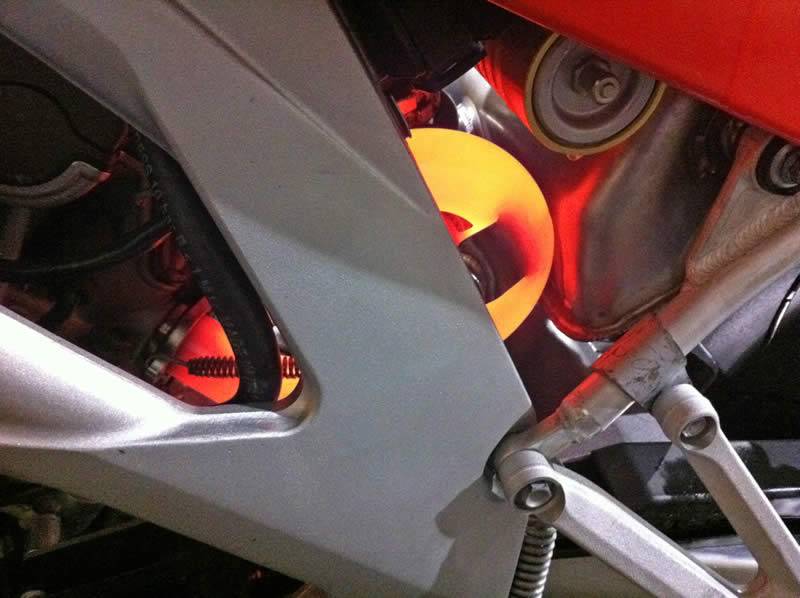
In an automotive context, managing the extreme temperatures produced by the exhaust system is crucial for vehicle performance and safety. The highest temperatures that an exhaust manifold or exhaust pipe might reach are approximately 850°C (1,600°F). This threshold is significant as metals begin to glow red at around 500°C and reach a dark cherry red hue at about 635°C (1,175°F).
The most intense heat within an exhaust system is typically found at bends in the exhaust pipe near the cylinder head or around the catalytic converter. These areas are prone to high temperatures due to their proximity to the combustion process and their role in emissions control.
It’s important to note that exhaust system temperatures vary with engine activity. For instance, temperatures rise as the revolutions per minute (RPM) or engine workload increases, particularly when the engine is consuming maximum fuel and generating the most torque or horsepower. Studies on typical road cars have shown that exhaust system temperatures can range from 120°C (250°F) at 50kph (30mph) to as high as 550°C (1,020°F) at 112kph (70mph).
Preventing Heat Damage in Automotive Systems
To mitigate the risk of heat damage to adjacent components in a vehicle, several strategies are employed:
- Insulation of Exhaust Pipes: Wrapping exhaust pipes with materials like exhaust wraps or tapes helps contain the heat within the pipes. These materials, including fibreglass, silica, basalt, and ceramic wraps, can significantly reduce engine bay temperatures, in some cases by up to 50%.
- Reflective Barriers: Installing reflective barriers with an air gap between the exhaust pipe and other engine bay components helps deflect heat away. This method leverages the principle that air, being a poor heat conductor, can act as an effective insulator.
- Application of Reflective and Insulating Materials: Surrounding components susceptible to radiant heat from exhaust pipes or manifolds with reflective and insulating materials further reduces the risk of heat damage. These materials often combine reflective properties with insulative ones for enhanced protection.
Car manufacturers have increasingly recognized the importance of heat management in design. Modern vehicles often feature embossed aluminium or steel heat shields, strategically placed with an air gap near the exhaust or manifold to dissipate heat. Additionally, heat sleeves made from materials like laminated aluminium foil and fibreglass are now common in new car engine bays. These sleeves protect cables, wiring, hoses, and hard lines from heat damage.
Some advanced heat sleeves utilize a mylar foil outer layer, known for its strength and reflective properties, although it’s less heat-resistant than other materials. For example, the Kool Wrap product uses a thicker aluminium foil backed by insulating fibreglass, capable of withstanding temperatures up to 660°C (1,220°F). This material is versatile, available as sleeves or sheets, and can be used to insulate various car components such as starter motors or firewalls.
The effectiveness of these heat management techniques can be attributed to the insulating properties of trapped air. Air, when confined in small pockets, acts as an excellent insulator due to its low mass and poor heat conductivity. This principle is evident in products like styrene foam or ceiling insulating batts designed to trap air and reduce heat conduction. Similarly, exhaust wraps and fibreglass or silica blankets work by trapping air between fibers, thereby reducing heat transfer. A common household example of this concept is the use of double-glazed windows for thermal insulation.
References
University of Washington: Underhood Surface Temperature Tests: Summary of Published Results
https://depts.washington.edu/vehfire/ignition/autoignition/surftemper.html
motorcycle exhaust buyer FAQ
What product should I compare after reading this motorcycle exhaust article?
The best commercial next step is the linked RACEXT exhaust product page, where price, checkout and product information are available in one place.
Why link this guide to a RACEXT exhaust product?
The article captures research intent. The product link turns that traffic into a buying path for riders comparing sport exhaust, sound upgrade and aftermarket exhaust options.