
Car Magazine
Choose the right crankshaft bolt size for your Predator engine
Are you currently engaged in the installation of a torque converter or centrifugal clutch for your Predator engine? If that’s the case, it is crucial to ensure that you possess the appropriate-sized bolts to complete the task efficiently and effectively.
Continuing ahead, I will provide you with comprehensive guidance on the required dimensions of crankshaft and mounting bolts for your Predator engine.
When it comes to installing a torque converter or centrifugal clutch, selecting the right size bolts is of utmost importance to guarantee a secure and reliable connection. For the crankshaft, it is essential to identify the appropriate bolt diameter, length, and thread pitch. These specifications are crucial for a snug fit and optimal transmission of power.
Additionally, paying attention to the mounting bolts is vital to ensure proper attachment of the torque converter or centrifugal clutch to the engine block. The mounting bolts should be chosen with precision, taking into account factors such as bolt diameter, length, and thread type.
To determine the correct size of bolts for your specific Predator engine, consult the engine’s manufacturer documentation or refer to the engine’s manual. These resources typically provide detailed information regarding the precise dimensions required for the installation of additional components like torque converters or centrifugal clutches.
Moreover, it is advisable to seek guidance from experienced professionals or consult reputable automotive forums and communities. They can offer valuable insights based on their expertise and practical experience with similar installations.
Remember, using the correct size bolts not only ensures a secure connection but also prevents potential damage to the engine or transmission system. So, take the time to gather accurate information and acquire the appropriate bolts for your Predator engine’s torque converter or centrifugal clutch installation.
In conclusion, make sure you are equipped with the correct size bolts when working on installing a torque converter or centrifugal clutch on your Predator engine. By adhering to the manufacturer’s specifications and seeking expert advice when needed, you can successfully complete the installation and enjoy optimal performance from your engine.
Predator engines crankshaft bolt size chart
Attention: Predator engines have been specifically engineered for the North American market, and therefore adhere to the SAE standard. It is crucial to refrain from attempting to substitute them with metric bolts of a similar nature, as doing so can lead to severe damage, resulting in stripped holes.
As a professional mechanic, I would like to emphasize the importance of adhering to the manufacturer’s specifications and guidelines when working with Predator engines. These engines are meticulously crafted to meet the unique requirements of the North American market, and their design incorporates the use of SAE standard bolts.
Attempting to replace these bolts with metric alternatives may seem tempting, but it poses a significant risk. The compatibility between the threads of the metric bolts and the engine block is not guaranteed, and as a result, it can lead to the stripping of the holes.
To ensure the integrity and longevity of your engine, it is crucial to utilize the appropriate SAE standard bolts that are recommended by the manufacturer. By doing so, you can maintain the proper fit and torque required for optimal performance.
Remember, as a skilled mechanic, I strongly advise against substituting SAE standard bolts with metric bolts in Predator engines. Your commitment to following the manufacturer’s instructions will help prevent potential damage and ensure the engine’s reliability in the long run.
| Engine displacement | Crankshaft bolt size | |
|---|---|---|
| Predator 79cc | 5/16″-24 | |
| Predator 212cc | 5/16″-24 | |
| Predator 301cc | 7/16″-20 | |
| Predator 346cc | 3/8″-24 | |
| Predator 420cc | 3/8″-24 | |
| Predator 670cc | 3/8″-24 |
Predator 212cc shaft bolt size
Predator 212cc Crankshaft Bolt Size Guide
As a professional mechanic, it’s crucial to have a solid understanding of the specifications for various engine components. When it comes to the crankshaft bolt on Predator 212cc engines, it’s important to know the correct size to ensure optimal performance and prevent potential damage.

The crankshaft bolt for Predator 212cc engines utilizes a 5/16″-24 thread pattern. The “5/16″” measurement refers to the size of the bolt’s hex head, while the number “24” represents the number of threads per inch.
Before attempting to install the crankshaft bolt, always take the time to count the threads on the existing bolt or the crankshaft itself. It’s imperative to confirm that you have the correct number of threads per inch, which in this case is 24 (fine thread). Using a bolt with a different thread count can lead to detrimental consequences and potential harm to your engine.
It’s worth noting that many individuals have encountered issues by mistakenly using a 5/16″-20 bolt, which features a coarse thread. This type of bolt is not suitable for the Predator 212cc engine and should be avoided to prevent any negative impact on engine performance and longevity.
To ensure a hassle-free experience and acquire the appropriate parts, you can conveniently purchase a clutch bolt kit specifically designed for the Predator 212cc engine from reliable online marketplaces like Amazon. This kit typically includes the correct 5/16″-24 crankshaft bolt and often comes with a washer, offering you all the necessary components for a secure installation.
By adhering to the correct specifications and utilizing the proper components, you can effectively maintain the performance and reliability of your Predator 212cc engine. Remember, attention to detail and using the correct bolt size are paramount for ensuring optimal engine function and preventing unnecessary damage.
Predator 301cc shaft bolt size
Introducing the exceptional Predator 301cc engine, unlike any other powerhouse discussed in this article. Distinguishing itself, the Predator 301cc engine utilizes a distinctive 7/16″-20 bolt, boasting a coarse thread design.

Obtaining this specific bolt from a local store can prove to be quite challenging due to its rarity. However, procuring it online is remarkably effortless, providing you with a convenient solution for your needs.
Predator 420cc shaft bolt size
Predator 420cc Engine Crankshaft Bolt Size Guide
As a seasoned professional mechanic, I’m here to provide you with comprehensive information about the crankshaft bolt for the mighty Predator 420cc engine. This essential component measures 3/8″-24, featuring a fine threading that ensures optimal performance and secure fastening. It’s worth noting that this particular bolt size is not exclusive to the Predator 420cc, but is also employed in the equally powerful Predator 346cc and 670cc engines.
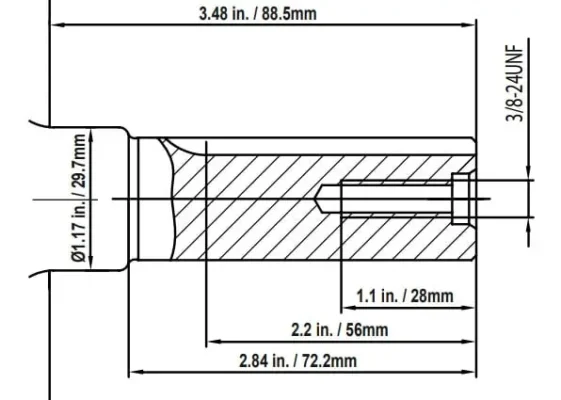
When it comes to acquiring the necessary parts, you’ll be pleased to know that you can conveniently order a comprehensive kit online. This kit is meticulously curated to include all the essential components you require for your engine maintenance or repair needs. From the crankshaft bolt itself to other vital accessories, you can rest assured that this kit will have you covered.
As a professional mechanic, I prioritize the significance of sourcing high-quality components for optimal performance and longevity of your engine. Therefore, I strongly recommend obtaining genuine parts from reputable suppliers to ensure compatibility and reliability. By doing so, you can rest easy knowing that your Predator engine will continue to deliver impressive power and efficiency.
In conclusion, whether you’re in need of a crankshaft bolt for your Predator 420cc engine or exploring options for other compatible engines like the Predator 346cc and 670cc, you now possess the necessary knowledge to make informed decisions. Remember to prioritize quality and consider purchasing a comprehensive kit online to streamline your engine maintenance process. Trust in genuine parts and professional guidance to keep your Predator engine running smoothly for years to come.
Other Predator engines
In the realm of Predator engines, there are various models worth considering. Let’s delve into the details and explore the distinctive characteristics of each one. As a seasoned mechanic, I will provide you with valuable insights.
Firstly, let’s focus on the small Predator 79cc engine. This powerhouse utilizes a 5/16″-24 shaft bolt, which is identical to the one employed by its larger counterpart, the 212cc engine. This standardization simplifies the maintenance process and ensures compatibility between different engine sizes.
Moving on, we encounter the bigger Predator engines, namely the 346cc, 420cc, and 670cc models. These robust engines employ 3/8″-24 bolts due to their similar crankshaft sizes. This uniformity allows for seamless interchangeability of components and facilitates repairs and upgrades.
It is important to note that the larger Predator engines offer increased power output compared to their smaller counterparts. This additional power comes in handy for applications that demand superior performance and torque.
As a professional mechanic, I always emphasize the significance of selecting the appropriate engine for your specific needs. Whether you require a small Predator engine for a compact project or seek the might of a larger model, considering factors such as power requirements and compatibility with your equipment is crucial.
Remember, proper maintenance, regular inspections, and adherence to manufacturer guidelines are paramount to ensure the longevity and optimal functioning of your Predator engine.
Why it’s easy to thread at first, but it gets hard later?
Why does threading start off easy but become difficult later?
Threading a bolt may seem effortless initially, but over time, you may encounter challenges. To ensure a smooth threading process, it is crucial to follow certain guidelines and understand the potential issues that can arise. As a professional mechanic, I will explain the reasons behind this phenomenon and provide expert advice to address each concern.
- Thread Clogging: One possible cause of difficulty in hand threading a bolt is the presence of gunk or debris. These contaminants can accumulate over time, obstructing the smooth movement of the threads. To resolve this issue, it is necessary to clean the bolt thoroughly. Remove any dirt or debris using an appropriate solvent or cleaning agent before attempting to thread it.
- Damaged Threads: If you encounter difficulties despite the bolt being clean, the threads may have been knicked or damaged. In such cases, it is advisable to replace the bolt entirely with a new one. Using a damaged bolt can lead to further complications and potentially compromise the integrity of the threaded connection. Therefore, always inspect the bolt’s threads carefully and opt for a replacement if any signs of damage are detected.
- Cross Threading: Cross threading is a common problem that can occur if improper techniques or tools are used during the threading process. This issue is especially likely when using impact wrenches or electric ratchets. To avoid cross threading, it is recommended to thread bolts manually using your hands. This method provides better control and reduces the risk of misaligned or damaged threads. Avoid relying solely on power tools for threading tasks that require precision.
It is essential to note that for engines designed for the North American market, SAE (Society of Automotive Engineers) standard bolts should be used. It is not advisable to attempt to find similar metric bolts as they are not compatible with the side cover or crankshaft of these engines. The use of metric bolts in such applications can result in stripped holes, compromising the overall integrity of the engine. Always refer to the manufacturer’s specifications and use the appropriate bolt type for optimal performance and safety.
By following these guidelines and understanding the potential issues that can arise during the threading process, you can ensure smooth and reliable connections for your engine components. Remember to prioritize cleanliness, inspect for damage, avoid cross threading, and use the correct bolt type as specified by the manufacturer. These practices will help maintain the integrity of your engine and ensure efficient operation in the long run.
Mounting bolt size chart for different types of Predator engines
| Engine displacement | Mounting bolt size |
|---|---|
| Predator 79cc | 5/16″-24 (6 pieces) |
| Predator 212cc | 5/16″-24 (5 pieces) |
| Predator 301cc | 3/8”-16 (4 pieces), 5/16″-24 (8 pieces), 3/8”-16 (1 piece) |
| Predator 346cc | 3/8”-16 (4 pieces), 5/16″-24 (8 pieces) |
| Predator 420cc | 3/8”-16 (4 pieces), 5/16″-24 (8 pieces) |
| Predator 670cc | 5/16″-24 (4 pieces), 3/8”-16 (4 pieces), 7/16”-14 (4 pieces) |