
Blog, Car Magazine
CAN YOU POWDER COAT AN ENGINE BLOCK? (EXPLAINED)
Nov
CAN YOU POWDER COAT AN ENGINE BLOCK? (EXPLAINED) – on our site you will find the best spare parts and accessories for cars and motorcycles [ymm_selector template="horizontal_selector.php"]
SELECT YOUR VEHICLE'S BRAND AND MODEL TO FIND ALL COMPATIBLE PRODUCTS ON RACEXT.
✅ Choose free delivery to save more
CAN YOU POWDER COAT AN ENGINE BLOCK? (EXPLAINED)
Before purchasing our products, it is advisable to read the product sheet. If in doubt, do not hesitate to contact us, we will be happy to help you choose the product that best suits your needs
If you are looking for high quality products for your car or motorbike, look no further. We are sure you will find the perfect product for you at Racext. Do not hesitate to contact us with any questions or requests. We are here to help you make your vehicle perfect.Transforming Your Car’s Engine Block with Powder Coating: An In-depth Guide
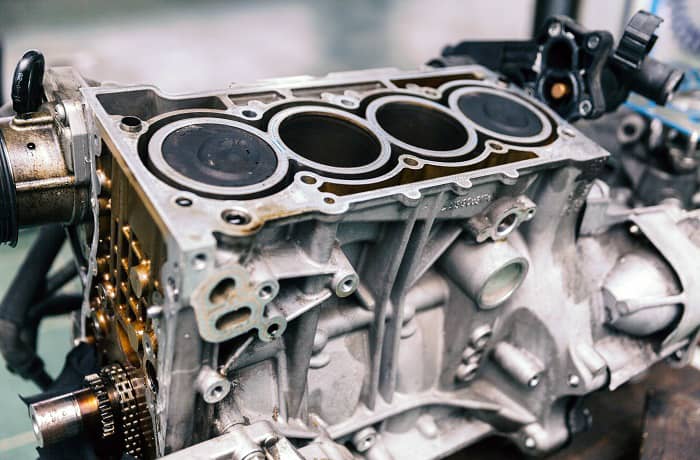
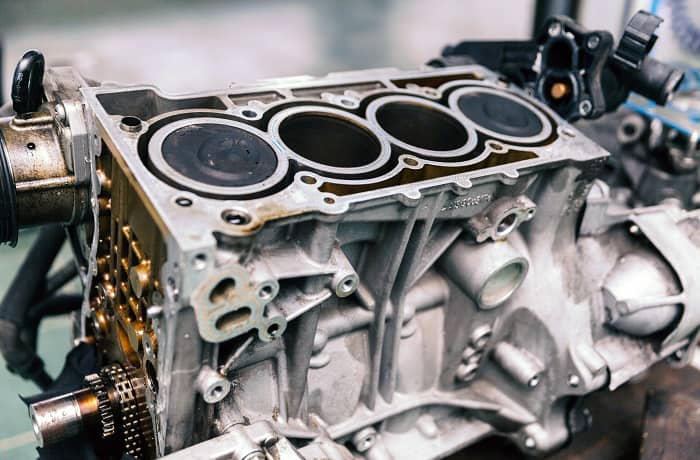
Powder coating an engine block is not just a cosmetic upgrade but a significant enhancement that revolutionizes the appearance of your car’s heart. This process allows for a dramatic change in visual appeal, offering a unified and vibrant color scheme. You can choose to coat the entire engine block or target specific key components, depending on your aesthetic preferences. The metal composition of the engine block makes it an ideal candidate for powder coating, a process that preserves the metal’s integrity while giving it a stunning new look.
Understanding the Safety Aspects of Powder Coating Engine Blocks
While powder coating transforms the engine block, it’s imperative to consider the safety aspects, especially concerning nearby plastic components. The process involves applying heat to cure the coating, which can endanger plastic parts if not properly managed. These components, susceptible to heat, could melt or deform, leading to potential functional issues or damage.
To avoid these risks, a meticulous approach is necessary. It involves disassembling the engine to ensure that only metal parts undergo the powder coating. This precautionary step is crucial for protecting non-metal parts from the high temperatures during the curing phase. After powder coating and curing, the engine block is reassembled, maintaining its functionality while offering a visually stunning and durable finish.
Will The Powder Coat Warp When Exposed to High Temperatures?
Powder coating, known for its durability and heat resistance, is an excellent choice for engine blocks. Typically, it can withstand temperatures up to 200 degrees Fahrenheit, aligning well with standard automotive engine temperatures (195 to 220 degrees Fahrenheit). However, it’s important to note that prolonged exposure to extreme heat can degrade the coating, leading to color fading or slight warping.
This issue becomes more critical in high-performance vehicles, where engines operate at higher temperatures. In these cases, the standard powder coat may deteriorate more rapidly, potentially leading to warping and faster degradation.
Is Powder Coating The Engine Block A Lot Of Work?
Powder-coating an engine block is a demanding process that requires significant time, effort, and technical expertise. It starts with disassembling the engine block to protect internal components and adjacent plastic parts. The application of the powder coat, followed by a curing process, demands precision. Reassembling the engine block requires a deep understanding of the engine system, as any deviation could impact performance.
Given its complexity, many car owners prefer professional services for powder coating. Experienced mechanics can efficiently manage the process, ensuring precise application and maintaining engine integrity and performance.
What Is The Cost Of Powder Coating An Engine Block?
The cost of powder coating an engine block varies, typically ranging between $350 and $600, depending on the engine size. It’s essential to choose a skilled detailer, as the engine block demands careful handling. Conduct a thorough background check on potential detailers to assess their expertise, especially with engine components.
Look for detailers with specific experience in powder-coating engine blocks. While many are skilled in coating rims and other accessories, engine blocks present unique challenges. Selecting the right professional is crucial for quality and longevity.
Exploring Other Parts Suitable for Powder Coating
Beyond engine blocks, powder coating can be applied to various car parts. Rims, for instance, benefit from enhanced durability and aesthetics with powder coating. Other accessories like truck bed rails, Nerf bars, and metal racks are also excellent candidates. Powder coating can be extended to the chassis or specific engine elements for a comprehensive makeover.
Powder Coating Vs. Painting: Comparing Engine Block Finishes
The debate between powder coating and painting engine blocks centers on durability, appearance, and maintenance. Powder coating offers superior durability and resistance to environmental factors, making it ideal for engine blocks. It stands up to high temperatures and is resistant to debris, dirt, and rust.
Conversely, traditional paint may not offer the same level of durability, especially under high-heat conditions. Painting, however, is simpler and more DIY-friendly compared to the labor-intensive powder coating process.
DIY vs. Professional Engine Block Powder Coating
Deciding between a DIY approach or professional assistance for powder coating an engine block is crucial. The process demands extensive work and technical expertise. Professional services, while costing between $300 and $600, offer expertise, high-quality finish, and proper curing.
Is Powder Coating an Engine Block Justifiable?
For aesthetic purposes, powder coating the engine block might not always be practical. High-temperature resistant paint could be a more feasible option. However, for show cars, powder coating can significantly elevate the vehicle’s presentation.
Assessing the Durability of Powder Coating on Engine Blocks
The lifespan of powder coating on an engine block depends on the application quality and environmental conditions. Typically, a well-applied powder coat can last one to two years before showing signs of wear. High-temperature resistant paint can be a suitable alternative for longer-lasting results.
Addressing Challenges in Powder Coating Engine Blocks
Powder coating enhances the engine block’s appearance but is susceptible to staining and difficult refinishing. Special care is needed to maintain its look and avoid staining from oil or fuel.
🌊 RACEXT QUALITY GUARANTEE
Every Racext performance product is thoroughly tested and guaranteed, even if it doesn’t feature a visible logo. Due to production and logistical reasons, some products may not carry the Racext branding directly on the item.
However, rest assured that all our products undergo rigorous quality checks and are backed by Racext’s commitment to performance and reliability.
📅 EXCLUSIVE MANUFACTURING AND DISTRIBUTION
Our trusted partners manufacture each product according to our specific technical requirements, ensuring that every item meets Racext’s high standards. All our products are exclusively sold by Racext and are not distributed by other companies.
Even though some of our partners commercialize similar products for cars, these items are not compatible with motorcycles due to distinct resistance and amperage requirements.
🔧 PRECISION-CALIBRATED CHIP TUNING DEVICES
When it comes to our chip tuning devices, the resistance is precisely calibrated to be perfectly adapted to different vehicles, such as motorcycles. This ensures optimal performance, compatibility, and a smooth ride without any risk to your vehicle’s electronic systems.
Racext chip tuning devices are specially designed to meet the unique demands of motorcycle performance systems, guaranteeing that your bike runs efficiently and reliably.
⚠️ Legal Notice – Important Product Disclaimer
This product is not certified, approved or homologated for use on public roads or highways in any country. It is intended solely for off-road use, closed-circuit racing, sports competition, or private testing purposes. Installation and use of this product on vehicles driven on public streets is strictly prohibited and may violate traffic laws, emissions regulations, or technical inspection requirements.
By purchasing this product, the customer acknowledges and agrees that:
- The product is sold “as is” for motorsport or off-road use only.
- It is not street-legal and must not be used on public roads under any circumstance.
- The seller (Racext) assumes no responsibility for any improper, illegal or unintended use of this product.
- The customer is solely responsible for verifying whether the installation and use of this product comply with local laws and regulations.
- This product may affect vehicle warranty and insurance if used outside of permitted contexts.
This notice applies regardless of the country in which the product is purchased or shipped, including (but not limited to) the United States, Canada, the European Union, the United Kingdom, Australia and New Zealand.
By proceeding with the purchase, you confirm that you have read, understood and accepted this disclaimer, and release the seller from any liability arising from misuse or unauthorized application of the product.
🔒 QUALITY STANDARDS ACROSS ALL PRODUCTS
This high standard of exclusive design, manufacturing, and compatibility applies to all Racext products available for purchase. Every item in our catalog is crafted with the same dedication to performance, safety, and quality.
🔧 PERFORMANCE YOU CAN TRUST, QUALITY YOU CAN SEE
Disclaimer
TRANSPARENT SHIPPING POLICY
Cutoff time 22:00 (GMT+01:00) Central European Standard Time (Amsterdam)
Order Processing Time 1-3 days (Mon-Fri)
Delivery time 3-6 days (Monday-Friday)
Our orders are free of shipping costs.
We use the following shipping couriers:
- PostNL
- Dhl
- UPS
- DPD
- Cainiao
The customer will receive the tracking information in 1-3 days directly in his email. Please contact us if you have not received the email or check your spam emails
LEGAL DISCLAIMER: PRODUCTS INTENDED EXCLUSIVELY FOR SPORTING AND COMPETITIVE USE
Important: Before proceeding with the purchase or use of our sport exhausts, please read the following notice carefully.
The products sold through this website are intended exclusively for sporting and competitive use. This means they have been designed and manufactured to be used in controlled environments, such as closed circuits or areas designated for sporting competitions, where emission and noise regulations may differ from those applied on public roads.
Public Road Use Not Allowed: It is emphasized that the installation and use of these devices on vehicles intended for circulation on public roads may not be permitted under the laws of your reference country regarding emission and noise regulation, as they are not designed for road use but for sporting use.
Buyer’s Responsibility: It is the buyer’s responsibility to ensure that the use of the purchased products complies with all applicable laws and regulations. The buyer assumes all legal liabilities for any non-compliant use of the products, including the installation and operation of such devices on unauthorized vehicles or in ways that violate applicable laws.
By continuing with the purchase, the buyer acknowledges and agrees that the use of the products is limited to sporting and competitive contexts as defined above and assumes full responsibility for any legal consequences arising from improper use of the products.
CAN YOU POWDER COAT AN ENGINE BLOCK? (EXPLAINED)
Compatibility:
It is the responsibility of the customer to ensure that the product is compatible with their vehicle. We recommend consulting with a professional mechanic before purchasing to confirm compatibility. Racext is not responsible for any issues that may arise from the use of our products, including but not limited to damage to the vehicle or personal injury.
Warranty:
All of our products come with a 2-year warranty in accordance with international standards. If you experience any issues with your product within the warranty period, please contact us for assistance. The warranty does not cover damages caused by improper installation, misuse, or external factors such as accidents or natural disasters.
Returns
ABOUT US
ADDRESS: Creative Tower – Hamad Bin Abdulla Road – Office 4201 – Fujairah – U.A.E.
E-mail : info@Racext.com
Contact form : Get in touch
Phone : +971 58 859 1706
Company name : Digitanow International group FZe
Company Number : AE18048/2020
Tax registration number: AE18048 2020
Customer service : Monday to Friday from 9 a.m. to 8 p.m.
Terms and Conditions
This website provides only the product with well-indicated codes and specifications. Please rely on an experienced workshop for the installation and choice of the product. We do not assume any responsibility for errors in choice, installation, or programming of the devices.
*The price is intended for a single product
*Days are always working days
All guides on this website are for illustrative purposes only. For many products, the use of special tools may be necessary. We always recommend seeking the advice of a specialized repair center for the selection and installation or programming of products purchased anywhere. We do not assume any responsibility for damage to property or persons, or user errors in the application of a guide on this website or for any other occurrence.
Product is not original but fully interchangeable with it
All rights reserved. All trade names and logos are registered trademarks of the respective manufacturers indicated
The trademarks mentioned on this site are the exclusive property of the automotive companies and are used here exclusively to facilitate the search for vehicles by our customers. We do not assume any responsibility for damages to property or persons, or user errors in the application of a guide on this website or for any other occurrence.
Secure Payments
When making purchases on our website, you can be confident that your transaction is secure. All financial transactions are processed on the secure and certified servers of PayPal or Stripe. These platforms allow us to accept payments from all VISA, VISA ELECTRON, MAESTRO, POSTEPAY, AMERICAN EXPRESS, AURA, and DISCOVER credit cards.
Quality Guarantee
Choose safety, savings, and professionalism by choosing us. We offer top-level customer support that will never leave you alone during the pre- and post-purchase phases. We offer top-quality products and intelligent, secure savings. Don’t trust inexperienced sellers.
NOTE: In the event that the product is not available in stock, we reserve the right to issue a full and immediate refund.
[mailpoet_form id=”3″]